

Our history
Digital Journal began in 1998, which makes us ancient in internet years. Back then, publishing online still felt experimental. Newsrooms were built for print, blogs were personal diaries, and the closest thing we had to social media as we know it today was a chat room. A small group of writers and technologists believed something simple but radical for its time — that journalism could be global, digital-first, and participatory. So we built it.
1998
(yep, we're old)
Founded by journalist Janusz Uiberall, Digital Journal began as a technology publication built for the web at a time when most newsrooms were still thinking in print.
The initial editorial focus was “digital culture for creative minds.” Uiberall recruited the initial team and launched the publication out of his condo in Mississauga, Ontario in Canada, then Toronto shortly therafter.
Digital Journal started as a technology publication powered by contributors around the world. Long before “user-generated content” became a marketing term, we were working with independent writers, photographers, and analysts who wanted to cover the world as it was changing.


Early 2000s
The internet expanded quickly, so we did too.
Alex Chumak joined in 2000 and rebuilt the site with a custom content management system, giving the publication the technical foundation to grow.
Grace Krigstin helped shape operations, finance, and strategy as the organization matured beyond its startup roots.
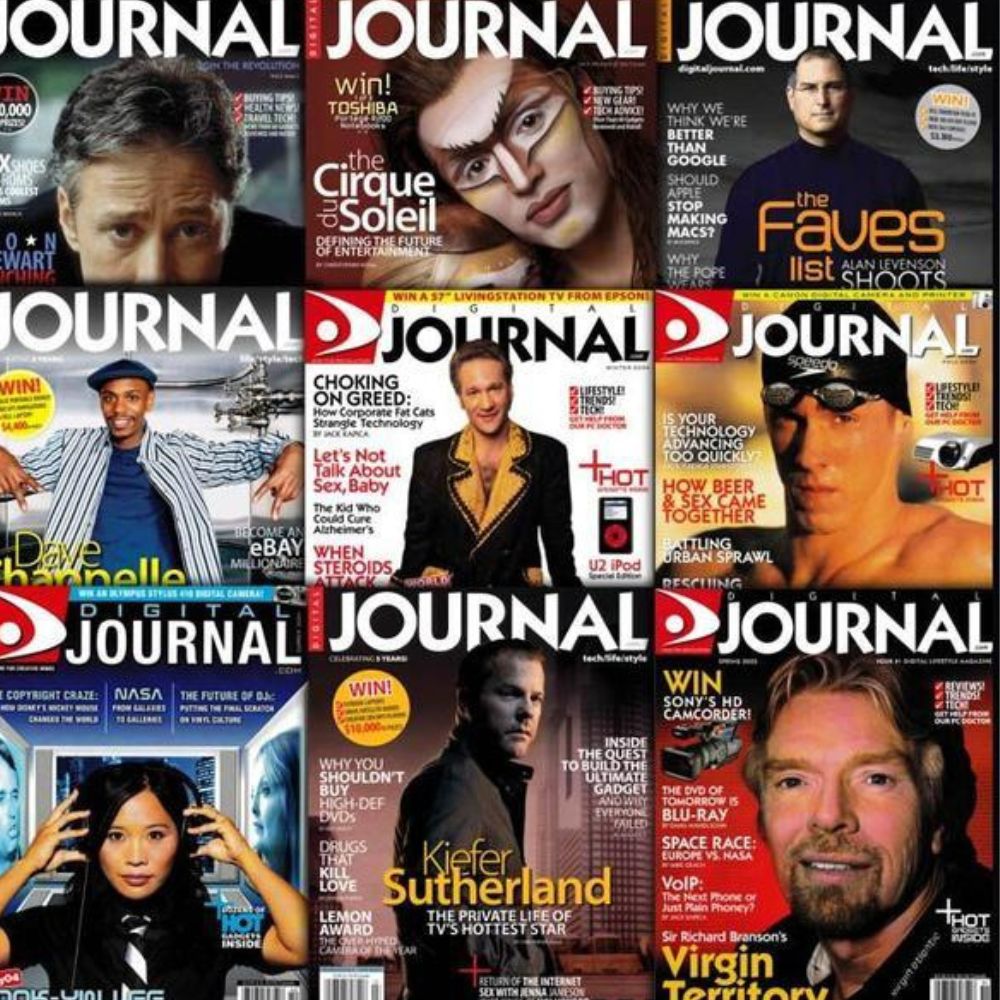
In 2001, Digital Journal took an unexpected step for a digital-first outlet and launched a printed magazine distributed across Canada. It combined feature stories, profiles of emerging internet thinkers, coverage of major news events, and examinations of how technology was being used in the real world.
Broadcast journalist Chris Hogg joined as a freelance writer and quickly rose through the editorial ranks, becoming Editor-in-Chief at 21. David Silverberg joined the editorial team the same year and later became Managing Editor. Together, they strengthened the focus on reporting how digital change was affecting real people and industries.
By 2005, Hogg stepped into the CEO role, which he continues to hold today. Silverberg became Editor-in-Chief, and Chumak took on the CTO role. With a small team and no outside funding, they began transforming Digital Journal from a publication into a scalable digital platform.
2006-2009
aka the crazy growth years
The shift from publication to platform accelerated.
In 2006, we unveiled a new media platform that paired traditional journalism with social features. The platform focused on enabling and curating “citizen journalism,” giving professionals and experts a venue to contribute.
The idea was simple: Expertise exists everywhere. The newsroom could be distributed.
In the year after launch, Digital Journal gained international media attention, reached hundreds of thousands of readers, and expanded its global contributor base.
From 2007 to 2009, we refined our model to prioritize subject matter experts. We introduced a formal application process for writers, built an assignment desk, created revenue-sharing models for contributors, and automated key processes for scale.
Digital Journal grew from its Canadian roots into an international network of nearly 3,000 writers and experts across nearly every continent. We didn’t quite figure out Antarctica though.

2010s
The growing up years
By the 2010s, media itself was under pressure.
Social platforms reshaped distribution. Search algorithms dictated traffic. Publishers chased scale and many burned out trying. Entire digital newsrooms rose fast and disappeared just as quickly.
We focused on strengthening the newsroom and contributor network rather than chasing traffic spikes.
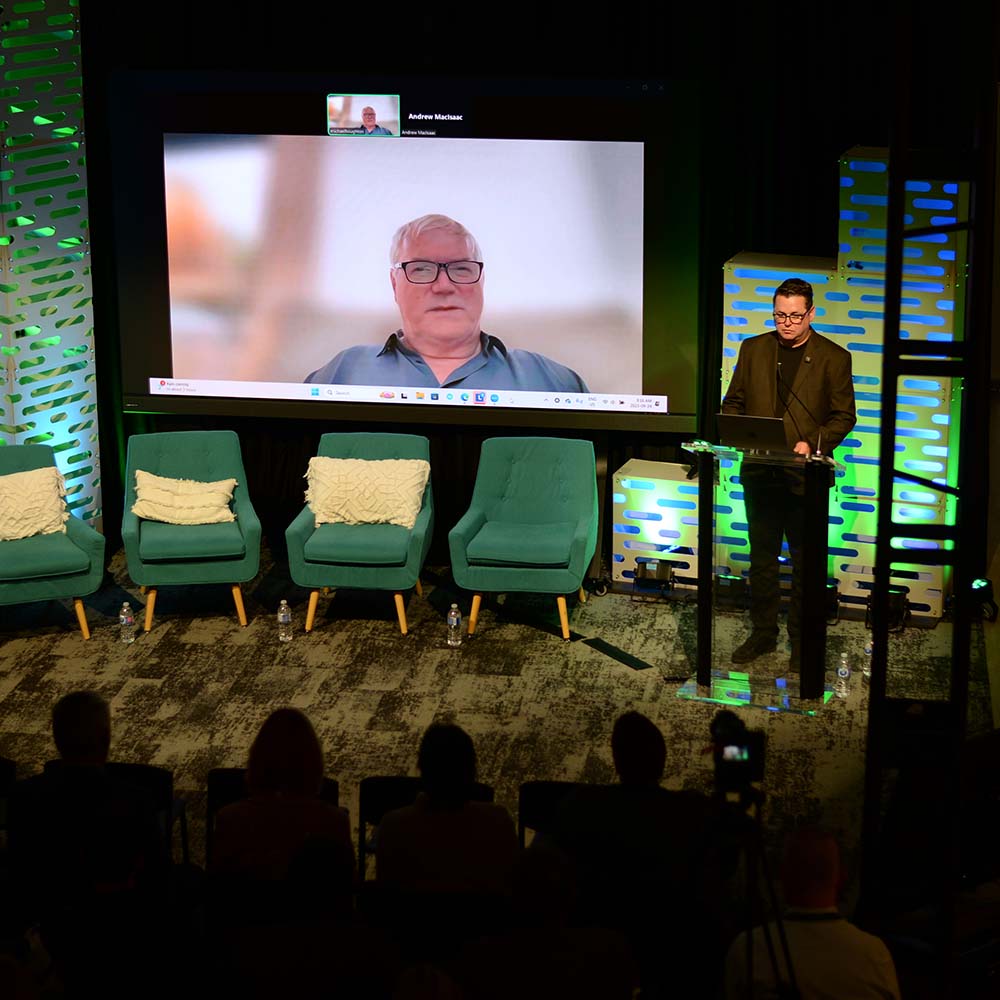
Digital Journal launched the “Future of Media” conference in 2010 to explore how media organizations were adapting online, with the rise of social platforms and the evolving role of journalism. The event brought leaders from organizations such as the BBC, Meta (formerly Facebook), the Globe & Mail, Global News, CTV News, and more to the conversation and put Digital Journal into international newsroom discussions.
Digital Journal continued evolving its platform, refining how contributors were vetted, how stories were distributed, and how expertise showed up on the site. What began as open publishing matured into a curated expert network with global reach.
In 2012, Digital Journal was recognized by the C100 as one of Canada’s most promising startups, and Hogg received several nominations for J-Source Canadian Newsperson of the Year.
A year later, founder Janusz Uiberall and CEO Chris Hogg were awarded the Queen’s Diamond Jubilee Medal for innovation in media and service to Canada.
The attention was a signal that what started in a Mississauga condo had grown into something globally relevant. While awards and recognition are always nice, but the audience mattered more.
Between 2014 and 2018, Digital Journal grew to reach more than a million monthly readers and the newsroom broke news, covered major media events in hard-to-reach places, and became a destination for organizations looking to share important developments in an increasingly crowded information landscape.
Global PR firms began syndicating content through the platform, turning to Digital Journal to announce earnings, partnerships, product launches, and other milestones. The “firsts” that define business momentum found a home here.
As the company grew, it also advised other publishers on digital strategy and innovation, drawing on first-hand experience running an independent newsroom in an unpredictable media landscape.
But it wasn’t about fancy new gadgets anymore, and the focus moved toward how people and businesses were reorganizing around technology.
Technology was no longer a niche beat. It was infrastructure for business, government, and daily life. Coverage shifted toward digital transformation, leadership, and the systems behind innovation. The audience evolved too. More executives, founders, and decision-makers began reading not just for news, but for context.


2020+
The 2020s forced every organization to make decisions faster than they were comfortable with. Again.
Remote work became standard. AI moved from research labs into daily operations. Entire industries rewrote playbooks. Again.
Innovation stopped being a “future-tense” conversation, and that changed our coverage.
In Canada, productivity, commercialization, and scale became urgent national conversations. Our reporting shifted to examine how leadership decisions were tackling scale and challenges.
Digital Journal pushed further into the systems behind change. We followed the story beyond launch day and into the part no one live-streams, where ideas have to survive budget meetings, hiring realities, and competing priorities.
Each month, millions of readers across Canada, the United States, and beyond, turn to Digital Journal, many of them executives and operators responsible for technology decisions across their organizations.
We expanded event coverage, partnered with innovation ecosystems, and built long-term editorial projects that track progress over time rather than chasing moments.
In 2024 we launched an executive thought leadership publishing product, building on our long history of working with expert outside contributors. It gives experienced leaders and subject matter experts a place inside the publication to share what they’re seeing from the front lines of their industries. Their thinking sits alongside our reporting and is part of the broader conversation about how change happens.
We rebuilt the platform again because the rules of distribution shifted under everyone’s feet. Search no longer behaves the way it did a few years ago. Social traffic is unpredictable and AI now plays a role in how stories are surfaced and summarized.
If you run an independent newsroom, you can’t ignore these new realities. We redesigned the architecture, expanded the types of stories we publish, and reworked how content moves across the web so our reporting continues to reach the people it is meant for.
What hasn’t changed is the belief that innovation should be understandable and accountable. It should connect to jobs, regions, policy, and performance. It should help people decide what to build and how to lead. And our editorial has to help connect the dots and explain change.
Staying independent for more than two decades has meant adapting as media and technology evolved while keeping our editorial standards strong.
Through it all, we’ve focused on covering the people building, funding, regulating, and running the systems that affect how we work and live.
Digital Journal today
Almost three decades in, Digital Journal remains focused on innovation as it takes shape across industries, regions, and leadership teams. We document how change moves from idea to implementation and how it shapes the systems people depend on.
Our history reflects decades of reinvention in an industry that never stands still. That continuity allows us to see what others miss and to follow how change unfolds over time.
We continue to reinvent and run a media organization for the leaders accountable for technology decisions across Canadian organizations and everyone around them who needs to understand what those decisions mean.
We’ve seen enough to know that the next chapter won’t be boring.